Our Sustainability Practices
Regenerative farming for healthier land, healthier cattle, and healthier beef
Regenerative farming for healthier land, healthier cattle, and healthier beef
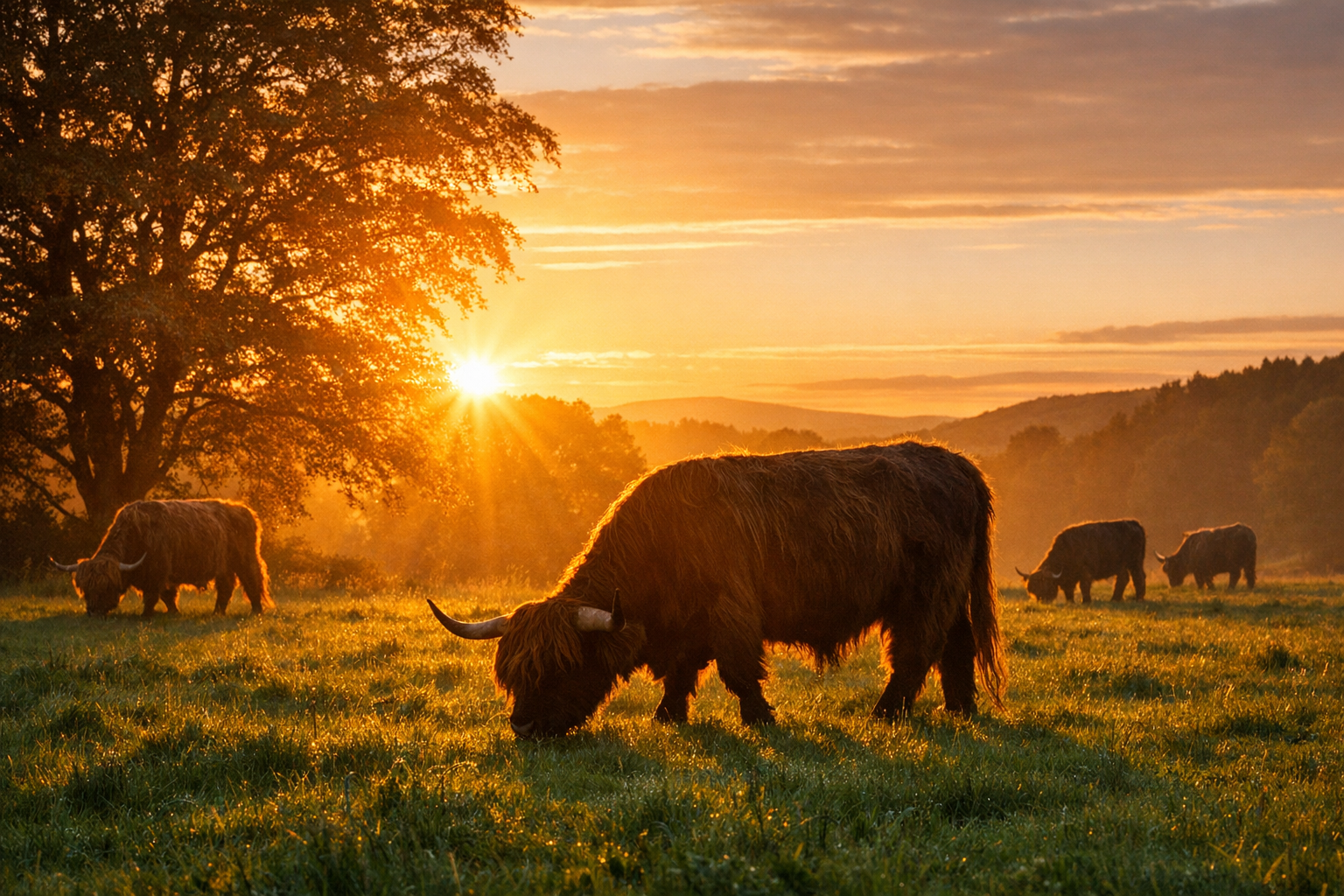
At Primal Farms, sustainability isn't a marketing buzzword—it's how we farm. Our Highland cattle are partners in regenerating the land, building soil health, and producing nutrient-dense beef without compromising the environment.
We believe that raising cattle the right way means creating a system where the land improves year after year, animals live naturally, and the beef nourishes human health. This is regenerative agriculture in action.
Working with nature, not against it
We move cattle through paddocks regularly, allowing pastures 30-60 days of rest between grazing periods. This mimics natural herd movement and prevents overgrazing while promoting vigorous regrowth.
Our stocking rates are carefully matched to land carrying capacity. We never push the land beyond what it can sustainably support, ensuring healthy pastures and healthy cattle.
Our pastures contain multi-species grass mixtures including cool and warm-season grasses, legumes, and forbs. This diversity improves soil health, nutrition, and ecosystem resilience.
Cattle naturally fertilize as they graze, distributing manure evenly across pastures. We use no synthetic fertilizers—just the natural fertility cycle that's sustained grasslands for millennia.
Building a healthier ecosystem
Managed grazing builds topsoil at a rate of 0.5-1 inch per decade—reversing the erosion that plagues conventional agriculture. Our cattle's hooves aerate the soil, their manure feeds microbial life, and diverse plant roots create rich organic matter that holds water and nutrients.
Healthy grasslands capture atmospheric carbon dioxide through photosynthesis and store it in soil organic matter. Well-managed pastures can sequester 1-3 tons of carbon per acre annually, making grass-fed beef production carbon negative over time.
Our pastures have no runoff from chemical fertilizers, pesticides, or concentrated animal feeding operations. Healthy grass and soil act as a natural filter, purifying rainwater and recharging clean groundwater. Riparian buffers along streams provide additional filtration and habitat.
Our rotational grazing creates a mosaic of vegetation heights and structures that support hundreds of species. Native grasses, wildflowers, beneficial insects, songbirds, and wildlife thrive in the diverse habitat created by managed grazing—a stark contrast to monoculture cropland.
Our commitment to clean, healthy beef goes beyond what our cattle eat—it's also about what they don't receive.
This isn't just better for the animals and the land—it's better for you. Our beef is clean, nutrient-dense protein without pharmaceutical residues or unnecessary chemical inputs.
The perfect breed for regenerative farming
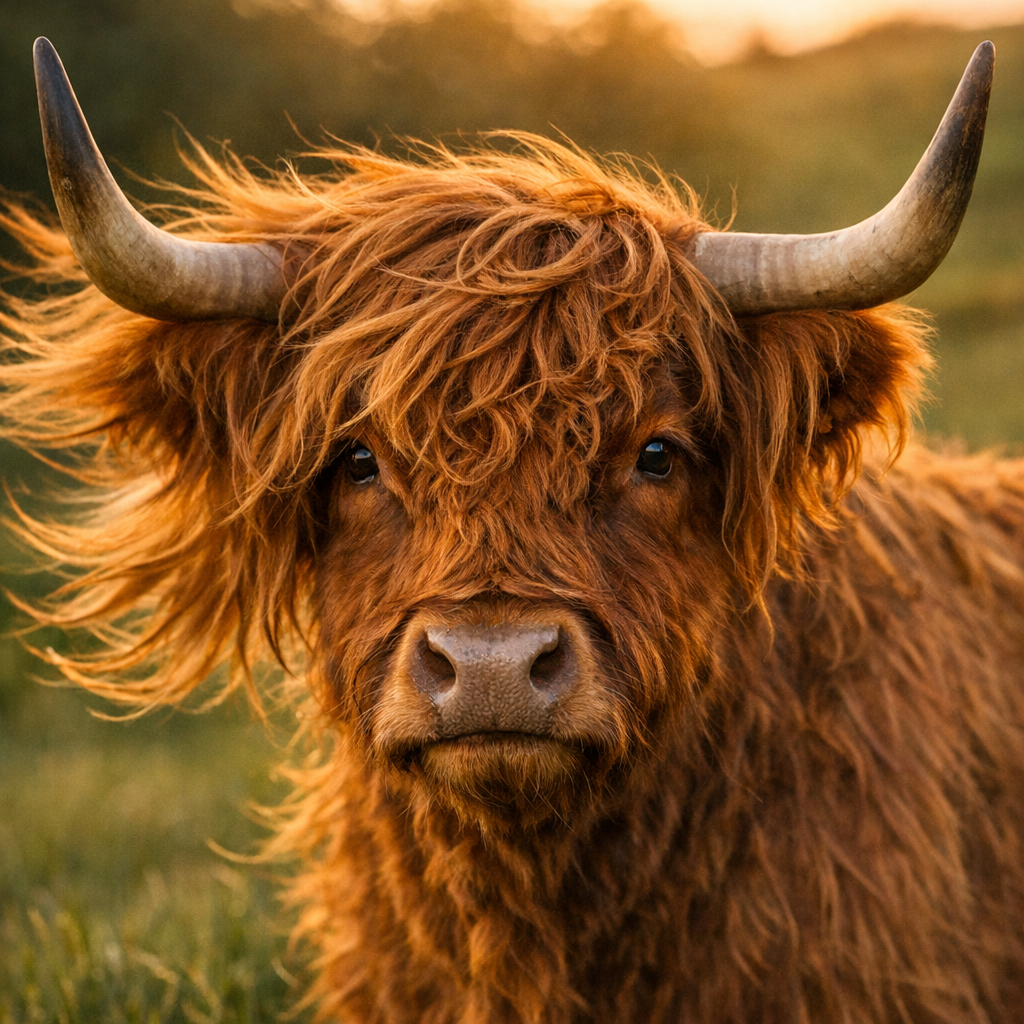
Scottish Highland cattle aren't just beautiful—they're uniquely suited to sustainable, regenerative agriculture.
Their thick, double-layered coat eliminates the need for barns or artificial shelter, even in harsh winter weather. This reduces infrastructure costs and environmental impact while allowing cattle to live naturally year-round.
They thrive on rough, diverse pasture that other breeds won't touch. Highlands convert low-quality forage into high-quality beef, making use of marginal land without requiring expensive inputs or grain supplements.
As a low-input, hardy breed, Highlands require minimal intervention. They calve easily, mother naturally, and maintain health without constant veterinary care. This reduces stress on both animals and farmers.
Their slow growth rate allows for proper muscle development and nutrient accumulation. While it takes longer to raise Highland beef, the result is superior in both flavor and nutrition.
In short, Highlands are the ideal regenerative livestock—animals that improve the land while producing exceptional beef.
Measuring what matters
From birth to harvest, zero grain or growth promotants
Natural growth rates for superior meat quality
Rotational grazing building soil and sequestering carbon
Year-round outdoor living, natural herd behavior
When you buy grass-fed Highland beef from Primal Farms, you're voting with your dollars for a food system that heals the land, respects animals, and nourishes human health. Join us in farming the right way.
Shop Our Beef