Why Grass-Fed Highland?
The science and soul behind our beef
The science and soul behind our beef
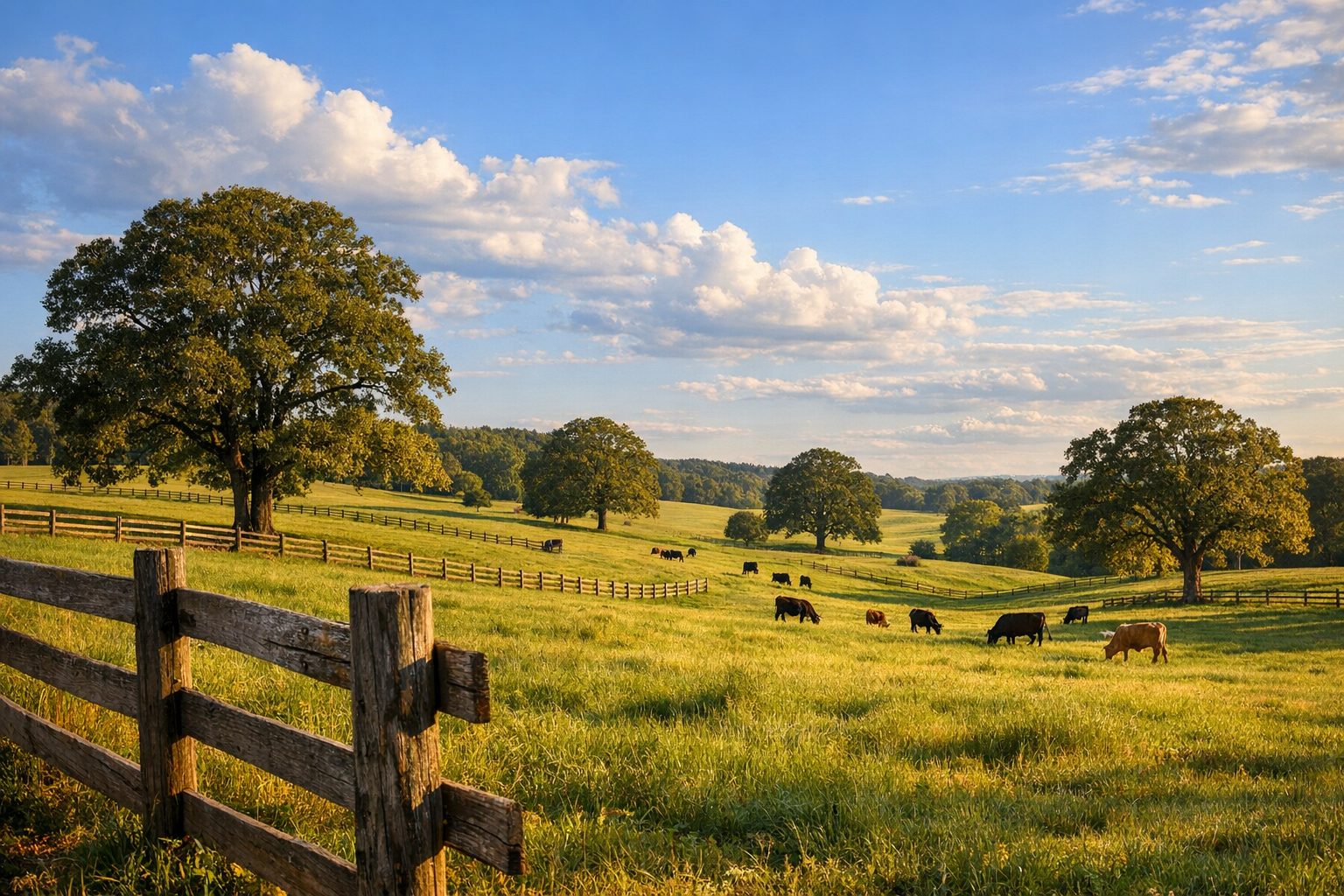
Scottish Highland cattle raised on pasture produce fundamentally different beef than conventional feedlot cattle. The difference starts with the animal itself—Highlands are an ancient, hardy breed that thrives on grass alone, converting diverse forage into nutrient-dense meat through centuries of natural selection.
Our cattle grow slowly on open pastures, taking 24-30 months to reach harvest weight compared to 14-18 months for grain-fed cattle. This extended timeline allows for proper muscle development, fat marbling, and nutrient accumulation that simply can't be rushed.
The natural diet of grasses, legumes, and forbs creates a completely different fatty acid profile, vitamin content, and mineral composition. Combined with a stress-free environment where cattle express natural behaviors—grazing, roaming, socializing—the result is beef that's superior in both nutrition and flavor.
When you choose grass-fed Highland beef, you're not just buying meat. You're supporting a system that prioritizes animal welfare, environmental health, and human nutrition over industrial efficiency.
Science-backed differences in grass-fed Highland beef
| Nutrient | Highland Grass-Fed | Commercial Grain-Fed |
|---|---|---|
| Omega-3 Fatty Acids | 2-6x Higher | Baseline |
| CLA (Conjugated Linoleic Acid) | 2-3x Higher | Baseline |
| Vitamin E | 3x Higher | Baseline |
| Beta-Carotene | 4x Higher | Baseline |
| Total Fat | 30% Less | Baseline |
| Cholesterol | Lower | Higher |
| Calories per 6oz | ~280 | ~380 |
Understanding the fundamental differences
Open pasture, natural grasses, legumes, and forbs. No grain, no growth hormones, no unnecessary antibiotics.
Confined feedlot, corn and soy-based diet, growth hormones, routine antibiotics to manage crowding stress.
Rich, complex, clean with depth. Hints of terroir from diverse pasture. True beef flavor without excessive fat.
Fatty, one-dimensional, greasy. Heavy marbling masks flavor. Monotonous corn-fed taste profile.
Carbon sequestering through rotational grazing. Soil building, biodiversity promotion, natural fertilization.
Resource-intensive grain production, concentrated pollution, soil depletion, high water consumption.
Free-roaming on open pastures, natural herd behavior, low stress, expressing instinctual grazing patterns.
Confined in crowded feedlots, stressed from unnatural diet, medicated to manage illness from crowding.
Regenerative agriculture in action
Rotational grazing captures atmospheric carbon and stores it in healthy soil. Properly managed pastures are carbon negative—removing more CO2 than they produce.
Pasture-raised cattle use significantly less water than feedlot systems. Healthy grasslands retain rainwater, reduce runoff, and recharge aquifers naturally.
Highland hooves aerate the soil, breaking up compaction and allowing water and nutrients to penetrate. Their manure naturally fertilizes pastures, building organic matter and microbial life.
Our diverse pastures support hundreds of plant species, insects, birds, and wildlife. Rotational grazing creates habitat mosaics that promote ecosystem health and resilience.
Per 6oz serving — Highland grass-fed vs. commercial grain-fed
Why Scottish Highlands produce the finest grass-fed beef
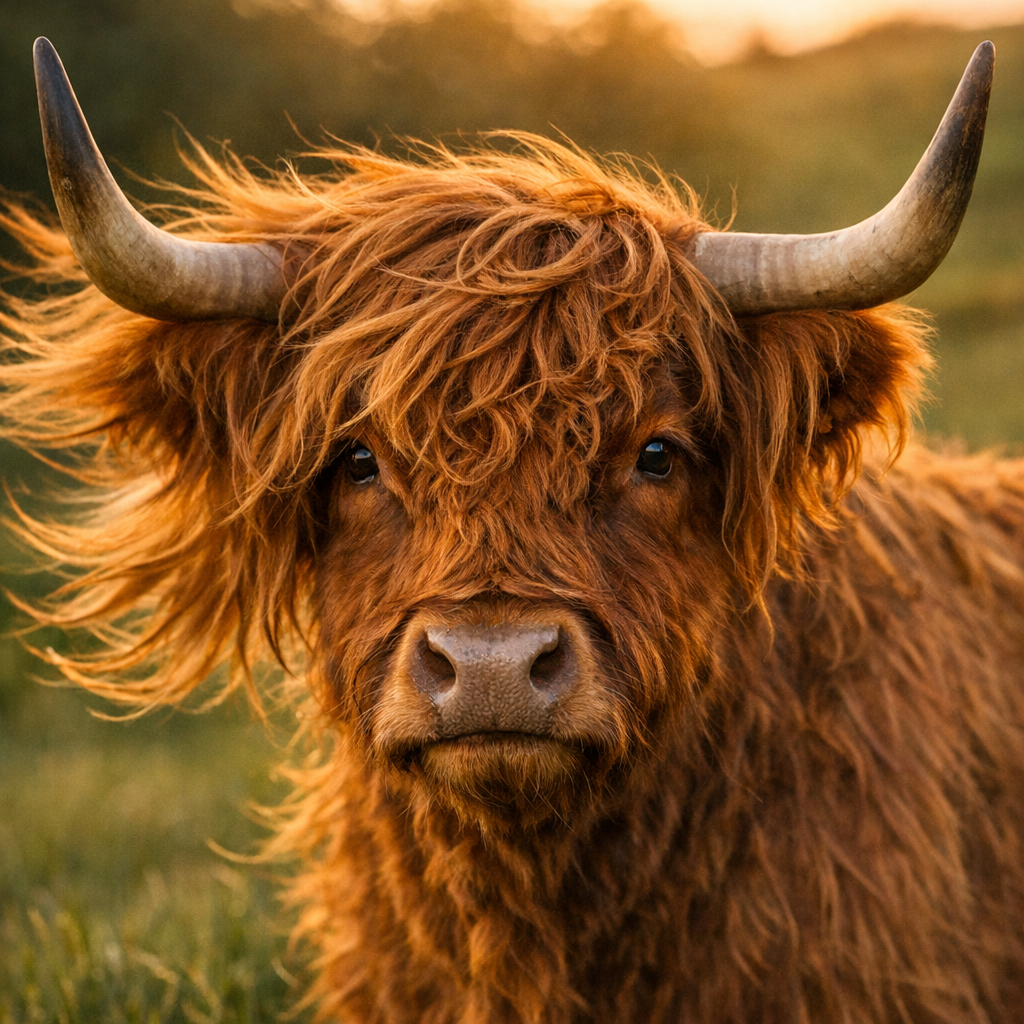
Highlands evolved over centuries in the Scottish Highlands, developing natural hardiness that eliminates the need for antibiotics and hormones.
Their unique double coat (long outer hair + downy undercoat) means they insulate with hair, not fat — resulting in leaner, healthier beef.
24-30 months on pasture (vs. 14-18 for feedlot cattle) allows deep marbling, complex flavor, and maximum nutrient density.
Highlands are known for their docile nature, meaning lower stress levels that directly translate to more tender, better-tasting beef.
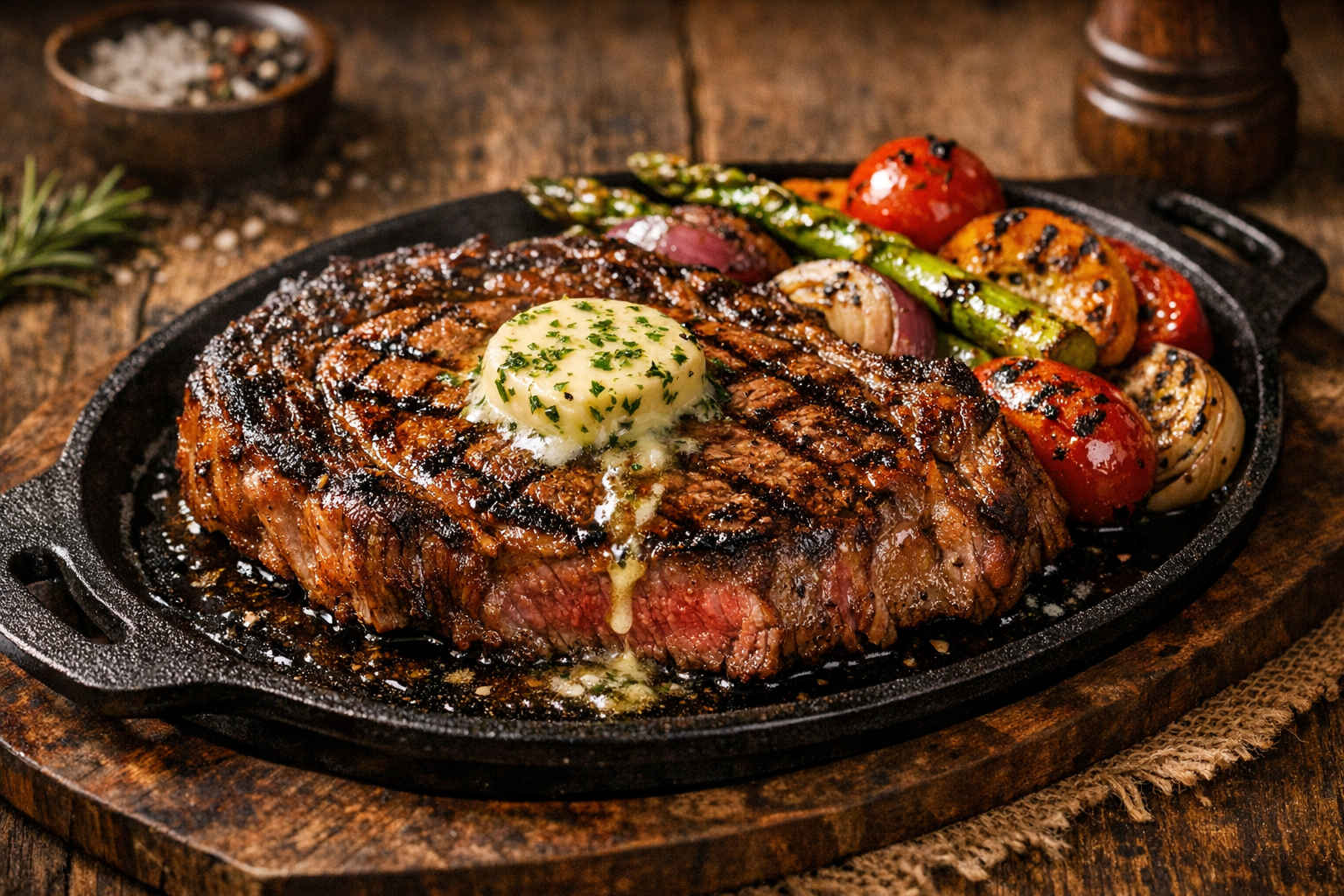
Grass-fed Highland beef has a rich, clean flavor profile that reflects the diverse pastures our cattle graze. You'll notice a deeper, more complex taste compared to conventional beef—less greasy, more satisfying, with subtle variations based on season and forage.
Our beef is dry-aged for a minimum of 14 days to enhance tenderness and concentrate flavor. The aging process breaks down muscle fibers naturally, resulting in a steak that's both tender and full of character.
Cooking Tips: Grass-fed beef is leaner than grain-fed, so it cooks faster. Use medium-high heat and aim for medium-rare to medium doneness. Let steaks rest for 5-10 minutes after cooking to allow juices to redistribute. Don't overcook—you'll lose the tenderness and moisture that make Highland beef special.
Whether you're grilling steaks, slow-roasting a chuck roast, or making the perfect burger, grass-fed Highland beef delivers unmatched flavor and nutrition with every bite.
Shop Our Beef